
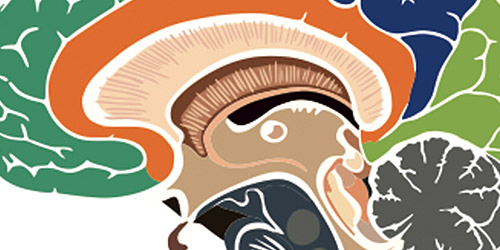
In order to better understand how the rehabilitation process works one needs to understand the different parts of the brain, how they function and problems that can result from injury.
Read More
Detailed information about commonly used medications after brain injury.
Read More
The Glossary of TBI Terms includes definitions for over 200 brain injury related terms from HDI's Brain Injury Glossary. Our special thanks to HDI publishing for allowing us to include their Brain Injury Glossary.
Read More
The Independent Living Scale is a powerful treatment tool that CNS utilizes to measure a patient’s skill level in core areas of capability. Other commonly used brain injury assessment tools, such as the Rancho Los Amigos, Disability Rating Scale and Glasgow Coma Scale, information can be found here, as well.
Read More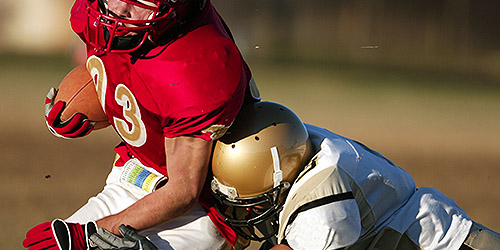
The SCAT3 is a standardized tool for evaluating injured athletes for concussion and can be used in athletes aged from 13 years and older.
Login Here