Find answers to common questions about Centre for Neuro Skills rehabilitation programs, admissions, treatment, residential services, family involvement, insurance and more. Browse the sections below or select a question to learn more.
No. CNS accepts referrals from healthcare providers and other professionals, but patients and families can also contact us directly to begin the admissions process. A formal referral is not required to get started.
There is no single timeline for beginning postacute rehabilitation after a brain injury or stroke. For many patients, postacute rehabilitation follows hospitalization or acute rehabilitation, and families and healthcare providers can contact CNS early in the recovery process to begin discussing the patient’s needs and next steps.
The CNS admissions team can evaluate the patient, work with their current healthcare providers and help determine when transitioning to postacute rehabilitation may be appropriate.
Patients can also benefit from rehabilitation months or even years after a brain injury or stroke. If someone continues to experience physical, cognitive, behavioral or other challenges related to their injury, an evaluation can help determine whether postacute rehabilitation may still be beneficial.
The admissions process begins when CNS receives a referral or is contacted directly by a patient or family member. Our team gathers information about the patient’s injury, medical history, current needs and rehabilitation goals to help determine whether CNS is an appropriate fit.
A CNS Evaluation Specialist may review medical and rehabilitation records, meet with the patient, and speak with family members, caregivers and current healthcare providers. Based on the evaluation, the team will recommend the level of care and rehabilitation program that best meets the patient’s needs.
Once a program is recommended, CNS works with the patient, family and payor to address authorization and funding, and to coordinate the transition into the program.
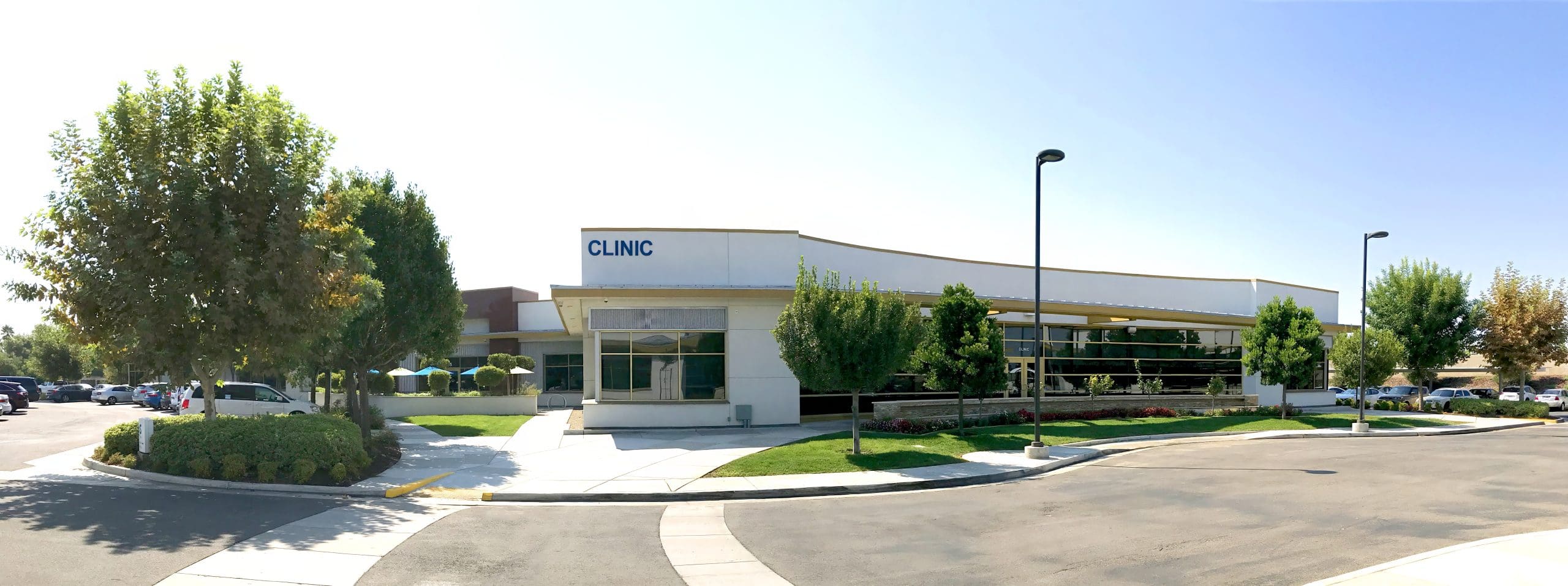
Yes. CNS regularly provides tours for prospective patients and families who would like to learn more about our rehabilitation programs and facilities. To request a tour, visit our Request a Callback page and a CNS liaison will contact you to discuss your needs and arrange a visit.
CNS accepts patients from across the country, and living outside the immediate area of a CNS program does not necessarily prevent someone from receiving treatment. CNS liaisons work with patients and families nationwide and can help you understand your options and connect you with the CNS program that may best meet your needs.
For patients traveling from another city or state, the CNS admissions team works with the patient, family, current healthcare providers and other involved parties to help coordinate the transition to CNS.
Transportation needs are considered individually. Depending on the patient’s medical and functional needs and where they are coming from, determining the most appropriate way to travel to CNS may involve coordination between CNS Admissions, the discharging facility and the patient’s family.
Request a callback and we’ll connect you with a CNS liaison for your area.
Yes. CNS facilities and programs are appropriately licensed, and all CNS facilities are accredited by CARF International, an independent accrediting organization for health and human services. CNS facilities undergo a comprehensive CARF review every three years and have earned three-year accreditation, the highest level of accreditation awarded by CARF.
CNS also encourages its staff to pursue specialized brain injury training and certification, and many CNS team members are Certified Brain Injury Specialists (CBIS).
CNS provides rehabilitation for adolescents and adults, with our Adolescent Program generally serving patients ages 13 and older. Children younger than 13 may also be considered on a case-by-case basis following an evaluation. Program recommendations are based on each patient’s individual needs and goals.
Yes. CNS offers continuing education courses with continuing education unit (CEU) credit hours for healthcare professionals, therapists, case managers, workers’ compensation adjusters and other professionals. Courses cover a variety of topics related to brain injury and rehabilitation, including traumatic brain injury, stroke, behavior, vision, return to work, ethics, counseling and more.
CNS offers educational opportunities for professionals nationwide, including live presentations and webinars. Visit our Continued Education page to learn about current topics and course dates or to request a presentation for your organization.
CNS evaluates each patient individually based on their medical condition, rehabilitation needs and goals. A CNS Evaluator reviews the patient’s current condition and medical and rehabilitation information to determine whether a CNS program can appropriately meet their needs.
If CNS is not the right option at the time of the initial evaluation, that does not necessarily mean the patient will not be eligible in the future. CNS can continue to monitor the patient’s progress and reevaluate them as their condition or needs change.
Yes. Behavioral changes can be a significant part of brain injury and may affect a person’s relationships, safety, independence and ability to return to everyday life. CNS has dedicated behavioral specialists who work as part of the patient’s interdisciplinary rehabilitation team to identify and address behavioral challenges as part of an individualized treatment plan.
Treatment may address challenges such as physical or verbal aggression, self-injurious behavior, difficulty initiating or completing activities, sleep disruption and problems with self-care. Behavioral strategies are integrated across therapy and residential settings, allowing the team to observe behavior in different environments, track progress and adjust treatment as the patient’s needs change.
Yes. Cognitive changes after a brain injury can affect attention, memory, processing speed, problem solving, judgment, communication and other skills needed for everyday life. CNS provides cognitive rehabilitation designed to address these challenges and help patients build greater independence.
Treatment is individualized and progresses as a patient’s cognitive skills improve. Therapists can adjust factors such as environmental distractions, task complexity and the level of abstract thinking required, gradually increasing cognitive demands and helping patients apply these skills to real-world activities.
Yes. Rehabilitation is generally most effective when it begins as soon as medically appropriate after a brain injury or stroke, and recovery is often fastest during the earlier stages following an injury. However, recovery does not necessarily stop after the first few months.
People can continue to make functional gains months or even years after a traumatic brain injury or stroke. If someone continues to experience physical, cognitive, behavioral, communication or other challenges related to a past brain injury, CNS can evaluate their current needs and determine whether additional rehabilitation may be beneficial.
Yes. At CNS, one of our core beliefs is that Patients Don’t Plateau. Being discharged from rehabilitation or reaching a point where progress has slowed or stopped does not necessarily mean a person has reached the end of their recovery.
Sometimes a different rehabilitation approach can uncover opportunities for continued improvement. CNS provides expert, intensive brain injury rehabilitation tailored to each patient’s current abilities, challenges and goals. We believe that with the right treatment and sufficient time, people with brain injury can continue to regain skills and function.
If a patient has been discharged from another rehabilitation program or is no longer making progress in their current program, CNS can evaluate their needs and determine whether our approach may offer additional opportunities for recovery.
Following a brain injury or stroke, acute care focuses on immediate medical needs, treating the injury and helping the patient become medically stable. Acute rehabilitation may also take place during this earlier stage of recovery, often in a hospital or inpatient rehabilitation setting.
Postacute rehabilitation is designed for patients who continue to need specialized rehabilitation. Treatment focuses on helping patients improve physical, cognitive, behavioral and communication abilities while building greater independence in everyday life.
CNS provides postacute brain injury rehabilitation, but patients do not need to follow one specific path before coming to CNS. Patients can be evaluated for admission at different stages of recovery.
Both CNS Residential Rehabilitation and Day Treatment provide comprehensive brain injury rehabilitation, but they differ in where patients live and the level of support provided outside of therapy.
In the Residential Rehabilitation Program, patients live in CNS residences while participating in treatment. In addition to therapy at the clinic, patients receive support and training in the residential setting, where they can practice activities of daily living (ADLs), establish routines and apply what they are learning in therapy to everyday life.
Day Treatment is an outpatient rehabilitation option for patients who live at home or in the community and come to CNS for scheduled therapy. Patients receive many of the same clinical rehabilitation services while continuing to live at home rather than in a CNS residence. The decision between Day Treatment and Residential Rehabilitation may reflect the patient’s clinical needs as well as individual circumstances, family preferences and available funding or insurance coverage.
The appropriate program is individualized based on each patient's needs, rehabilitation goals and circumstances.
Community-based rehabilitation helps patients practice and apply rehabilitation skills in real-world settings, not only in the clinic. For someone recovering from a brain injury, being able to perform a skill during a therapy session does not always mean they can successfully use that skill in everyday life.
At CNS, rehabilitation incorporates environmental validity—practicing skills in environments and situations that reflect the challenges patients will encounter outside of rehabilitation. Depending on a patient’s goals and abilities, this may include practicing activities of daily living (ADLs), using transportation, shopping, managing money, navigating public spaces, communicating with others, and participating in recreational or community activities.
Community-based rehabilitation also helps patients reestablish a rhythm of living. Daily life has routines, responsibilities, work or school, social activities, recreation and downtime. Rehabilitation that incorporates these experiences helps patients build the skills and strategies they need to return to a more independent and meaningful life.
A comprehensive brain injury rehabilitation program provides a level of treatment, structure and support that can be difficult to recreate through therapy delivered in the home. At CNS, patients have access to an interdisciplinary treatment team, specialized rehabilitation technology, and opportunities to practice skills across clinical, residential and real-world settings.
Treatment extends beyond individual therapy sessions to address the physical, cognitive, behavioral and daily living challenges that can affect a person’s safety and independence. Patients can practice skills in different environments while the rehabilitation team observes how well those skills carry over into everyday life.
This approach helps patients build greater independence while preparing more safely and successfully for life at home and in the community.
Every brain injury is different, so each CNS rehabilitation program is built around the individual patient’s abilities, challenges, needs and goals. The treatment team evaluates how the injury affects areas such as physical function, cognition, communication, behavior, activities of daily living (ADLs), and participation in everyday life.
Based on that evaluation, the interdisciplinary team develops treatment goals and determines which therapies, interventions and rehabilitation activities are most appropriate for the patient. Treatment can also reflect what is meaningful to the individual, such as returning to work or school, managing a household, participating in family life or becoming more independent in the community.
Individualization continues throughout rehabilitation. The team tracks the patient’s progress and adjusts goals, treatment strategies and the level of challenge as skills improve or new needs are identified. This allows the rehabilitation program to evolve with the patient rather than following a predetermined course.
CNS uses an interdisciplinary approach to brain injury rehabilitation, bringing together specialists from multiple disciplines to address the physical, cognitive, communication, behavioral, emotional and functional effects of brain injury.
Depending on each patient’s needs, the rehabilitation therapies and services provided may involve physical therapists, occupational therapists, speech-language pathologists, physicians, nurses, counselors, behavioral specialists, case managers, educational therapists and Neuro Rehabilitation Specialists (NRS). Team members collaborate on treatment goals, share information about the patient’s progress and adjust treatment as needs change.
This interdisciplinary approach allows different aspects of recovery to be addressed together rather than as separate problems, helping the team work toward the patient’s overall goals for independence and participation in everyday life.
The frequency and intensity of therapy are individualized based on each patient’s needs, goals and rehabilitation program. CNS programs can provide therapy up to five days per week, with the amount and combination of therapy determined by the patient’s individualized treatment plan.
Rather than receiving the same schedule or mix of services, patients may participate in different rehabilitation therapies throughout the week based on the areas being addressed. Treatment may also extend beyond scheduled therapy sessions as patients practice and reinforce skills through activities of daily living (ADLs), residential activities and community-based rehabilitation.
As patients progress, the rehabilitation team can adjust the frequency, focus and intensity of treatment to reflect changing needs and goals.
CNS uses specialized rehabilitation equipment and technology to support individualized treatment. Depending on a patient’s needs, goals and location, treatment may incorporate technologies such as the ZeroG Gait and Balance System, Bioness Integrated Therapy System (BITS), interactive metronome technology and other tools to support areas such as mobility, balance, vision, motor function and cognitive rehabilitation.
CNS also continually evaluates emerging rehabilitation technologies and new applications for existing technology to determine how they may enhance treatment. New tools are assessed for their clinical value and incorporated into rehabilitation when they can meaningfully support a patient’s individual needs and goals.
CNS uses a combination of standardized outcome measures, clinical assessments and ongoing functional data to measure patient progress throughout rehabilitation. Depending on the patient and stage of recovery, these may include widely used measures such as the Mayo-Portland Adaptability Inventory (MPAI), Rancho Los Amigos Revised Scale, Glasgow Coma Scale (GCS) and Disability Rating Scale.
CNS also uses its own Independent Living Scale (ILS) to track functional progress on an ongoing basis. The ILS measures performance across activities and behaviors related to independent living, providing the treatment team with data that can show measurable changes over time.
Because ILS data are collected regularly, the team can also identify patterns and factors that may be affecting a patient’s performance, including changes in medications or treatment. This information helps clinicians evaluate progress, adjust treatment strategies and make informed decisions about rehabilitation goals and discharge planning.
Yes. CNS uses both individual and group therapy as part of its rehabilitation programs. The type and combination of rehabilitation therapies a patient receives can vary based on their individual needs, goals and treatment plan. There is no one-size-fits-all approach to brain injury rehabilitation.
Individual therapy allows clinicians to work directly with patients on their specific rehabilitation goals and challenges. Group therapy can provide opportunities to practice communication, social interaction, problem-solving and other skills with peers in a supportive setting.
There is also value in the shared experience. Brain injury can be isolating, and participating in therapy or counseling with others facing similar challenges can help patients recognize that they are not alone in their recovery. Patients can share experiences, learn from one another and build supportive connections, and many CNS patients form lasting friendships during rehabilitation.
CNS maintains consistent standards of brain injury rehabilitation across all of its locations. Organization-wide clinical standards, training materials and treatment practices are applied across CNS programs to help ensure patients receive the same high level of care regardless of location.
This consistency extends across clinical disciplines and to other staff involved in rehabilitation, including Neuro Rehabilitation Specialists (NRS) who provide hands-on support in CNS residences and transportation staff. CNS-wide training helps ensure that staff understand and apply the same rehabilitation principles and standards of care.
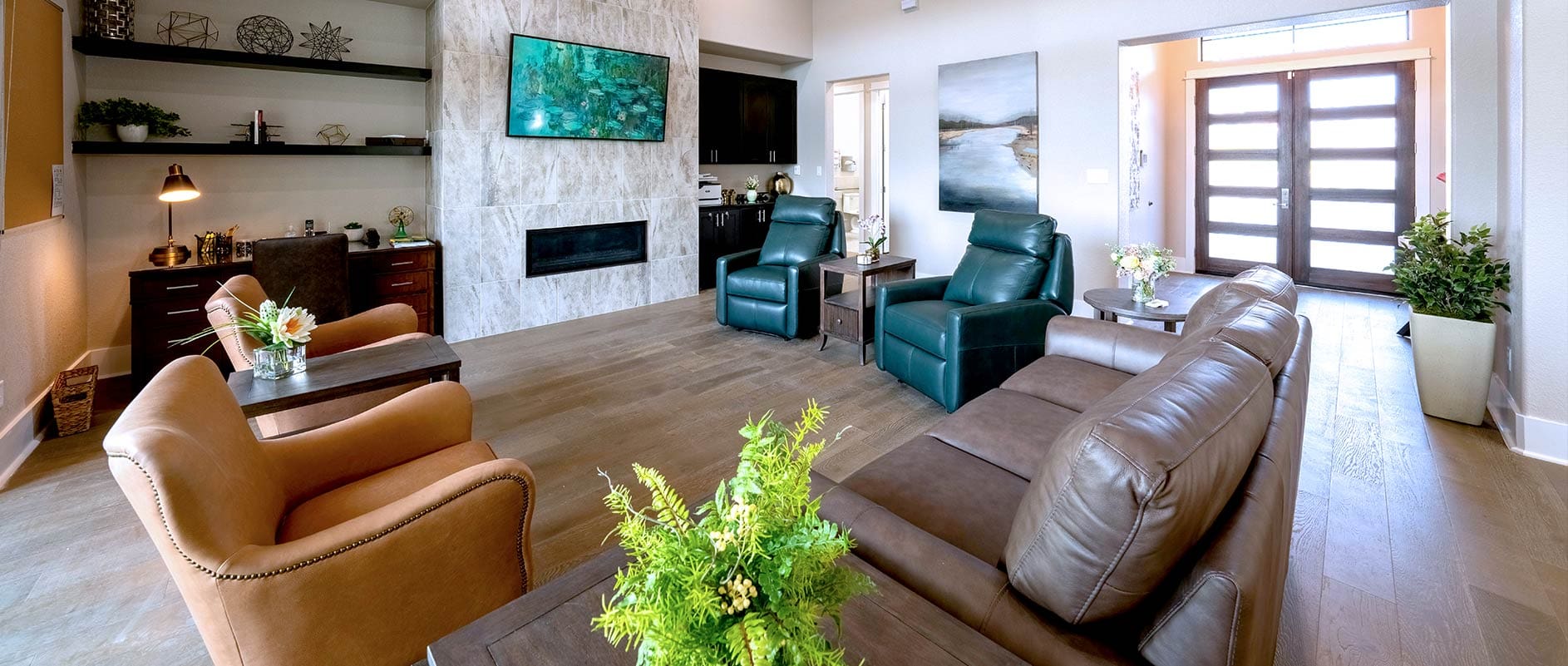
Patients in CNS Residential Rehabilitation live in CNS residences located in the community near their treatment clinic. Residences are designed to provide a home-like environment where patients can practice activities of daily living (ADLs) and reinforce skills learned during therapy.
Rather than remaining in a hospital or clinical setting around the clock, patients move between the clinic, their residence and the community as part of their rehabilitation. This helps reestablish everyday routines and a more natural rhythm of living while preparing patients for greater independence at home and in the community.
CNS residences provide structured support and supervision based on each patient’s individual needs. Neuro Rehabilitation Specialists (NRS) work directly with patients in the residential setting, helping them practice and reinforce skills addressed during therapy and supporting greater independence in everyday life.
Depending on the patient, residential support may include assistance and training with activities of daily living (ADLs), such as hygiene, dressing, grooming, meal preparation and household responsibilities, as well as medication management, safety, behavioral needs and community activities. NRS staff also observe and document patient performance, providing information that helps the treatment team track progress and adjust rehabilitation strategies.
Support can range up to 24 hours a day, seven days a week, depending on the patient’s needs and program. As patients gain skills and independence, the level of assistance and supervision can change to support continued progress.
Activities of daily living (ADLs) are incorporated throughout rehabilitation, with treatment designed to help patients develop the underlying skills they need to function more independently in everyday life. For example, improving strength, balance, coordination, memory or problem-solving during therapy can help a patient become more independent with activities such as dressing, grooming, preparing a meal or safely navigating the community.
Patients then have opportunities to practice these skills through everyday activities. Depending on the individual, this may include hygiene, toileting, eating, meal preparation, household tasks, shopping, managing medications, money and appointments, and using transportation in the community.
In the Residential Rehabilitation Program, Neuro Rehabilitation Specialists (NRS) teach, guide and support patients as they practice ADLs rather than simply performing tasks for them whenever the patient is able to participate. For example, a patient working on meal preparation may be guided through planning and preparing a meal, with the level of assistance or supervision adjusted to their abilities. This allows everyday routines to become opportunities to practice and reinforce greater independence.
Patient performance is observed and documented so the rehabilitation team can identify progress or continued challenges and adjust treatment accordingly.
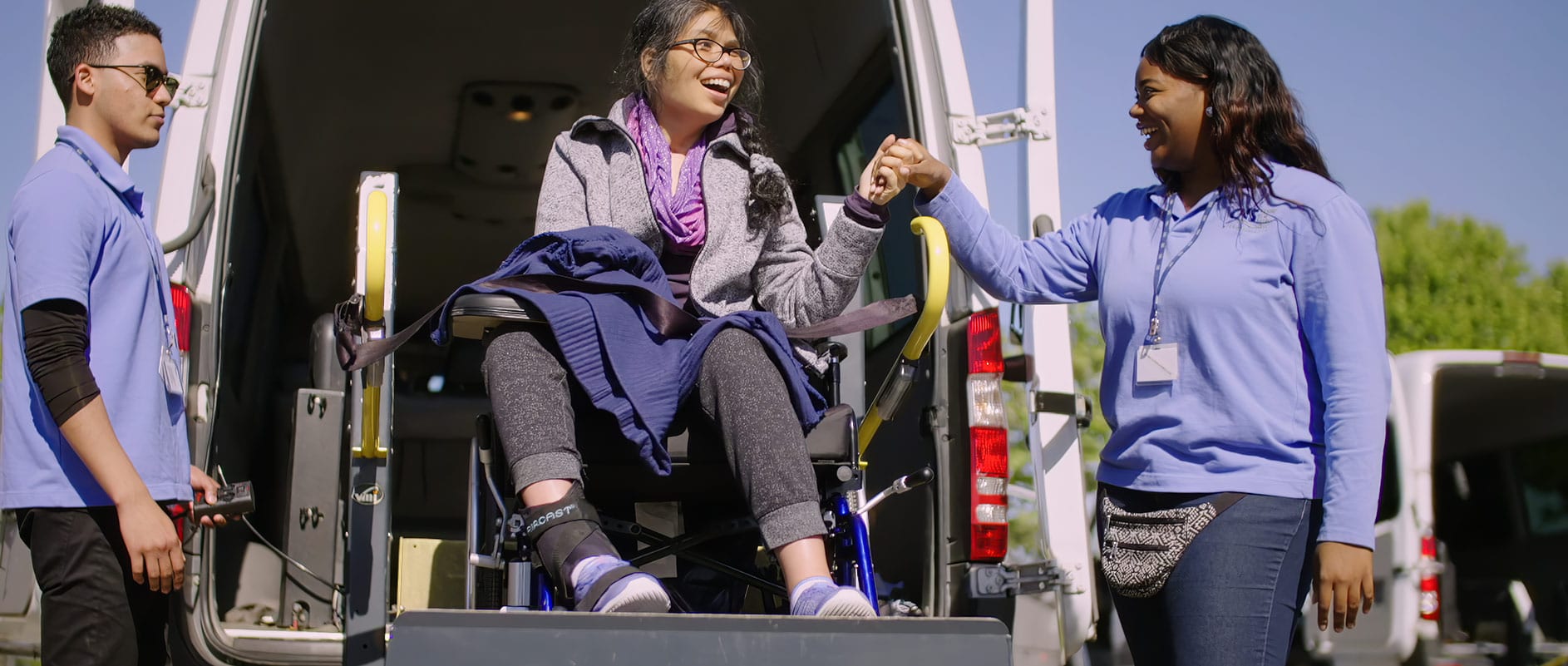
At CNS, transportation is more than simply a way to get to rehabilitation. Regular travel between the residence, clinic and community helps patients establish routines, practice real-world skills, and build confidence and independence outside the clinic. Transportation itself can become part of the rehabilitation experience.
CNS provides transportation for patients in its Residential Rehabilitation Program, including travel between CNS residences and clinics and for community-based rehabilitation activities such as shopping, appointments and social outings. CNS operates a fleet of wheelchair-accessible vehicles with dedicated drivers and support staff trained to work with people with brain injuries.
Transportation availability for patients in other CNS programs may vary by location. Options can be discussed with the CNS team during the admissions process.
Patients in CNS Residential Rehabilitation live in fully furnished residences, so they generally only need to bring clothing, toiletries and personal items. Comfortable clothing and athletic shoes are recommended for therapy and community activities, and patients may also bring items such as photos, books, or a favorite pillow or blanket, to make their space feel more like home.
CNS recognizes that each patient brings their own cultural background, religious practices, dietary needs, personal preferences and routines to rehabilitation. These individual needs are considered as part of the patient’s care and daily life at CNS.
For patients in the Residential Rehabilitation Program, accommodations may be incorporated into meals, daily routines and community activities. Patients may also have opportunities to participate in activities that are personally meaningful to them, including attending places of worship and other community activities.
Patients and families are encouraged to discuss specific cultural, religious, dietary or other individual needs with the CNS team so they can be considered as part of the patient’s rehabilitation and living environment.
In some cases, pets may be able to visit patients during Residential Rehabilitation. Pet visits are considered individually and depend on factors such as the type of animal, its temperament, and whether the visit can be safely accommodated within the rehabilitation environment.
Patients and families should discuss a potential pet visit with the CNS team in advance so the appropriate arrangements and evaluation can be made.
Families can play an important role throughout rehabilitation at CNS. With the patient’s permission and as appropriate, family members and caregivers may participate in treatment conferences, communicate with the rehabilitation team, visit or observe at the clinic, and take part in selected activities and community outings.
Family involvement also helps the treatment team understand the patient’s life outside of rehabilitation, including their routines, relationships, responsibilities and goals. CNS provides education and training to help families understand the patient’s needs and prepare to support them as they become more independent and transition home.
Yes. With the patient’s permission and as appropriate, family members and caregivers can participate in treatment conferences and communicate with the CNS team about the patient’s progress, goals and plans for discharge. Case managers and other professionals involved in the patient’s care may also participate in treatment planning and communication with the rehabilitation team.
CNS works collaboratively with the people involved in a patient’s care while respecting the patient’s privacy, preferences and rights throughout the rehabilitation process.
Yes. CNS provides education and hands-on training to help family members and caregivers understand the patient’s needs and learn how to support them during rehabilitation and after discharge.
Training is individualized based on the patient’s needs and may include strategies for communication and cognition, managing behavioral challenges, assisting with activities of daily living, establishing routines, and supporting safe physical activity. As discharge approaches, families and caregivers may also work directly with members of the treatment team to practice skills and prepare for the patient’s transition home.
Yes. Supportive counseling and psychotherapy are important components of rehabilitation at CNS for both patients and their families. Counseling can help patients address the emotional and psychological effects of brain injury, including changes in relationships, work, intimacy, independence and self-esteem.
Family members and loved ones may also participate in counseling as part of the patient’s rehabilitation. Depending on individual needs, this may include one-on-one counseling and/or group therapy to help families understand and adjust to changes following the injury, strengthen relationships and support the patient’s recovery.
Patients may be able to spend time at home with family during Residential Rehabilitation, but visits home are considered individually and should be planned with the CNS treatment team. Factors such as the patient’s medical stability, rehabilitation needs and the family’s readiness to safely support the patient outside of CNS are considered as part of that decision.
When a home visit is appropriate, the CNS treatment team can help the patient and family prepare for the visit, including providing education and training to help family members safely support their loved one at home and in the community. Home visits can also provide an opportunity to apply what has been learned during rehabilitation and help prepare for the patient’s eventual transition home.
When returning to work or school is one of a patient’s goals, CNS incorporates that goal into an individualized rehabilitation plan. Treatment can address the specific physical, cognitive, communication and behavioral skills the patient will need to successfully return to a work or educational environment.
Activities are tailored to the patient’s previous occupation, education and future goals. This may include practicing job-specific tasks, completing tool or equipment assessments, participating in supervised activities that simulate workplace demands, or working through complex cognitive tasks related to the patient’s profession. For students, rehabilitation may focus on skills such as organization, memory, attention, time management and other demands of returning to an academic environment.
For some patients, returning to the same job or career may no longer be the best path. CNS can also help patients identify new educational or vocational goals and build the skills needed to pursue them, with the broader goal of helping each patient achieve the greatest possible level of independence.
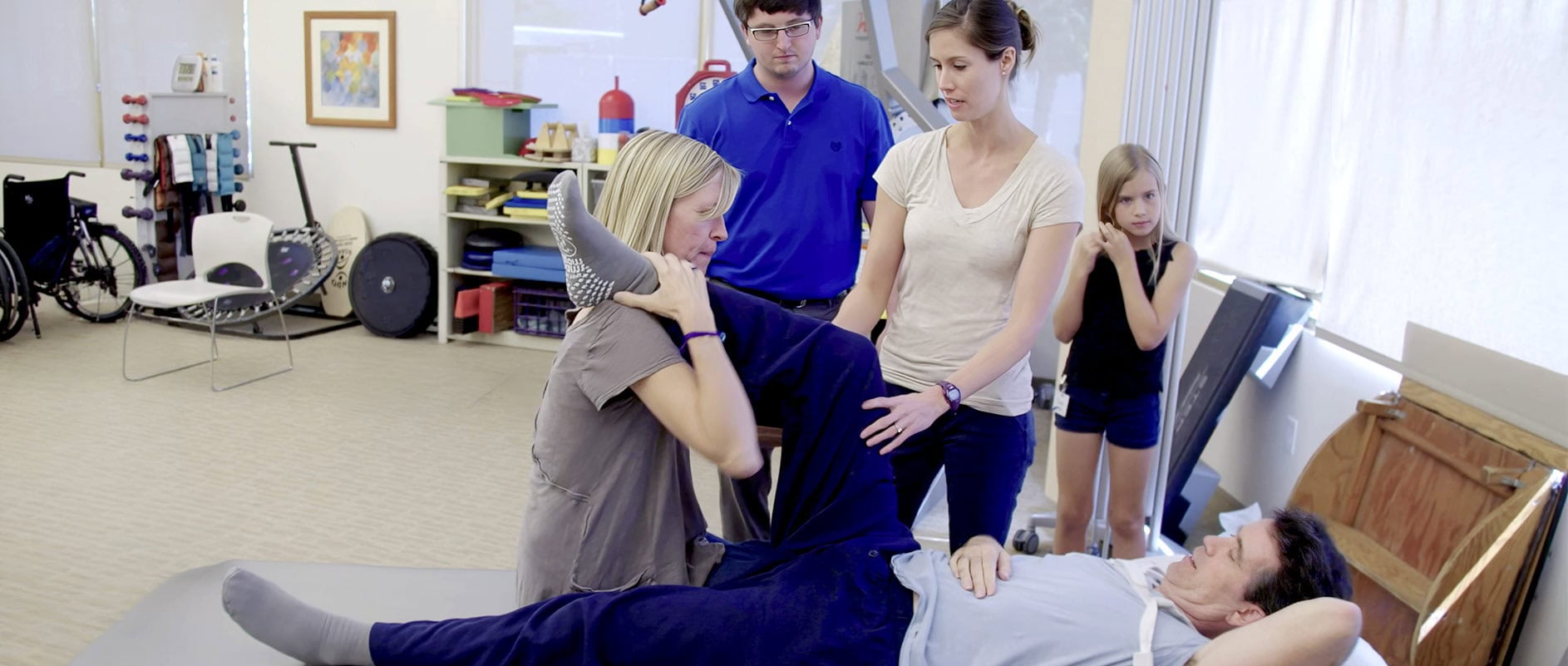
Discharge planning is individualized and begins before a patient leaves CNS. The treatment team works with the patient, family and others involved in their care to prepare for the patient’s needs after rehabilitation.
Patients practice the skills and routines they will need after discharge, while family members and caregivers receive education and hands-on training specific to the patient’s needs. This may include daily living skills, mobility and safety, communication and cognition, behavioral needs, medications and other areas of care.
When appropriate, a CNS clinician may also evaluate the patient’s home environment before discharge to identify accommodations or adaptive equipment that could help make the transition home safer and more accessible. The team provides individualized recommendations and helps patients and families prepare for a safe and successful transition.
Yes. As part of discharge planning, the CNS treatment team helps patients and families identify the services, resources and follow-up care they may need after leaving the program. This may include referrals to physicians and other healthcare providers, recommendations for continued therapy or rehabilitation, medication and follow-up information, adaptive equipment, and community resources.
When appropriate, CNS can also coordinate with providers in the patient’s home community to help support continuity of care.
CNS also offers Continued Care programs for patients who need or want ongoing support after completing active rehabilitation. Continued Care can provide short- or long-term support based on the individual’s needs and goals. CNS Aftercare resources can also help patients and families maintain progress and adjust to life following rehabilitation.
Yes. CNS offers a Continued Care Program for individuals who have completed active rehabilitation but continue to benefit from ongoing support. Depending on the individual’s needs, Continued Care may provide short- or long-term assistance focused on maintaining skills, supporting independence and helping patients remain engaged in their communities.
CNS Continued Care includes Assisted Living Residential and Supported Living options. Services and support are individualized and may include assistance with daily living skills, safety, medication management, transportation, social and community activities, and other areas based on the patient’s needs and goals.
At CNS, we believe patients and families should feel supported from the very beginning of the brain injury rehabilitation process. That includes helping them understand the insurance and funding options that may make care possible. CNS works with a variety of funding sources, including group and individual health insurance, such as HMO and PPO plans, liability insurance, workers’ compensation, and private pay.
Because benefits, coverage, and authorization requirements vary by plan and individual circumstances, patients and families do not have to navigate the process alone. The CNS admissions team works closely with patients, families, insurers, and other involved parties to verify benefits, clarify available options, and help coordinate funding before admission.
Insurance coverage for brain injury rehabilitation varies by plan and individual benefits. The CNS admissions team can work with you and your insurance provider to verify benefits, determine what services may be covered and identify any authorization requirements before admission.
CNS can also help patients and families understand their available insurance and funding options and discuss other potential funding sources when needed.
Contact CNS to speak with our team and begin the process.
Health insurance is not the only way to pay for rehabilitation at CNS. CNS accepts private pay and may work with other funding options depending on the individual circumstances.
The CNS admissions team can discuss available payment and funding options with patients and families and help determine whether there may be an appropriate path to admission.
CNS does not directly accept Medicare or Medicaid as payment for rehabilitation services. However, patients who have Medicare or Medicaid may have other insurance coverage or funding options that can be considered.
Because each patient’s insurance and funding situation is different, we encourage families to contact the CNS admissions team before assuming that coverage will prevent admission. The team can review the patient’s individual circumstances and discuss available options.
Yes. CNS works with workers’ compensation carriers to provide brain injury rehabilitation for individuals who have been injured on the job. CNS has dedicated staff experienced in managing workers’ compensation cases, including admissions, case management and payor relations.
Throughout rehabilitation, CNS works collaboratively with the patient, treatment team and workers’ compensation representatives to establish goals, monitor progress, address barriers, and plan for discharge and long-term needs. CNS also provides regular reporting and information about the patient’s progress.
Yes. CNS works with factoring companies and a variety of other funding sources to help patients access rehabilitation. Because funding arrangements vary, the CNS admissions team works with patients, families and other involved parties to determine available options based on the individual’s circumstances.


CNS Monthly Newsletter
The latest CNS updates, including events, company information, and patient care developments
The Inside View
Quarterly magazine focused on brain injury research, rehabilitation, and advancements shaping the field
Sign-up for one or both to stay connected with brain injury news and recover