For more than 45 years, Centre for Neuro Skills has specialized in brain injury rehabilitation. Our approach reflects principles that have guided CNS for decades: treatment should reflect the needs of each individual, progress should carry into everyday life, and rehabilitation should create meaningful opportunities for greater independence.
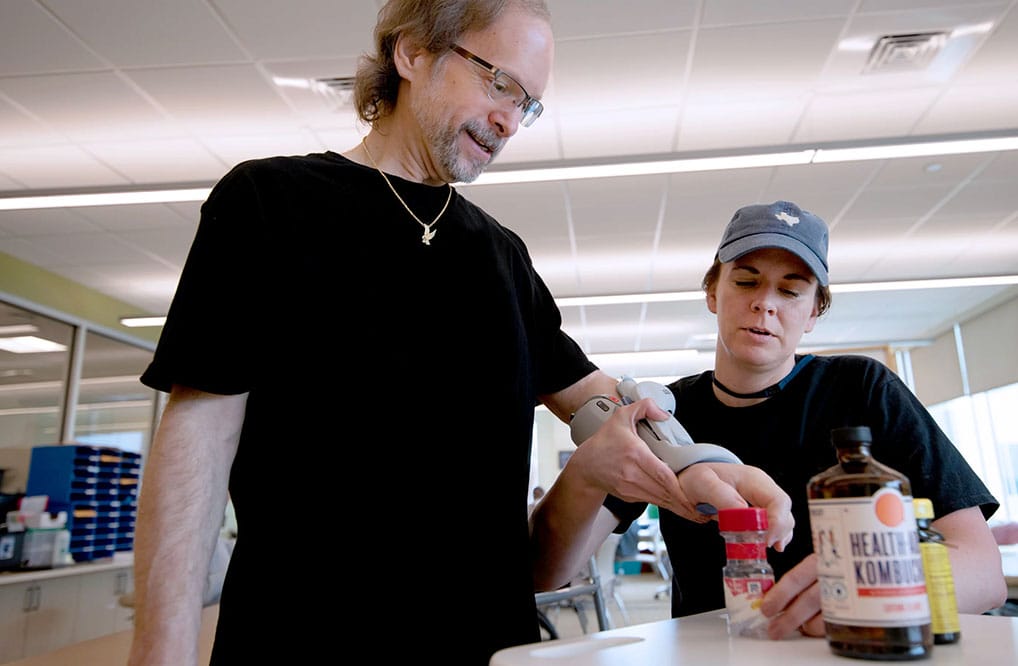
Rehabilitation should prepare patients for the environments, activities and situations they will encounter in everyday life. At CNS, treatment extends beyond developing skills in a clinical setting to helping patients apply those skills in real-world situations.
This approach reflects the principle of environmental validity—practicing skills in contexts that reflect the demands of everyday life. Real life also involves choices, challenges and some degree of risk. With the appropriate level of support, patients have opportunities to problem-solve, make decisions and practice greater independence.
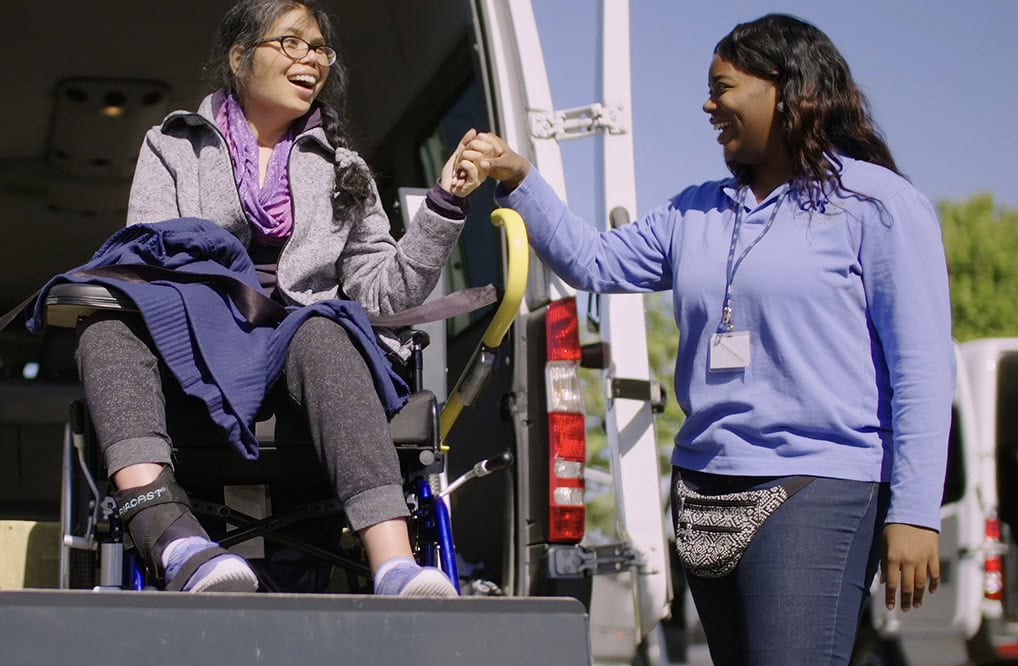
Daily life has a natural rhythm—work or school, home, responsibilities, relationships and leisure, with different routines for weekdays and weekends. Brain injury can disrupt these familiar patterns.
At CNS, rehabilitation is intentionally structured to help patients reestablish them. Treatment takes place in a setting separate from where patients live, creating transitions between rehabilitation, home and community that more closely reflect how people move through everyday life. Even the journey between environments becomes part of rehabilitation, reinforcing routines while providing opportunities to navigate the community and practice greater independence.
This differs from models in which treatment and daily living take place in the same environment. CNS maintains distinctions between the rehabilitation day and home life, weekdays and weekends, and daytime and evening—helping patients rebuild familiar routines or establish new ones based on their abilities, goals and circumstances after injury. These patterns help prepare patients for community reintegration and greater independence beyond rehabilitation.
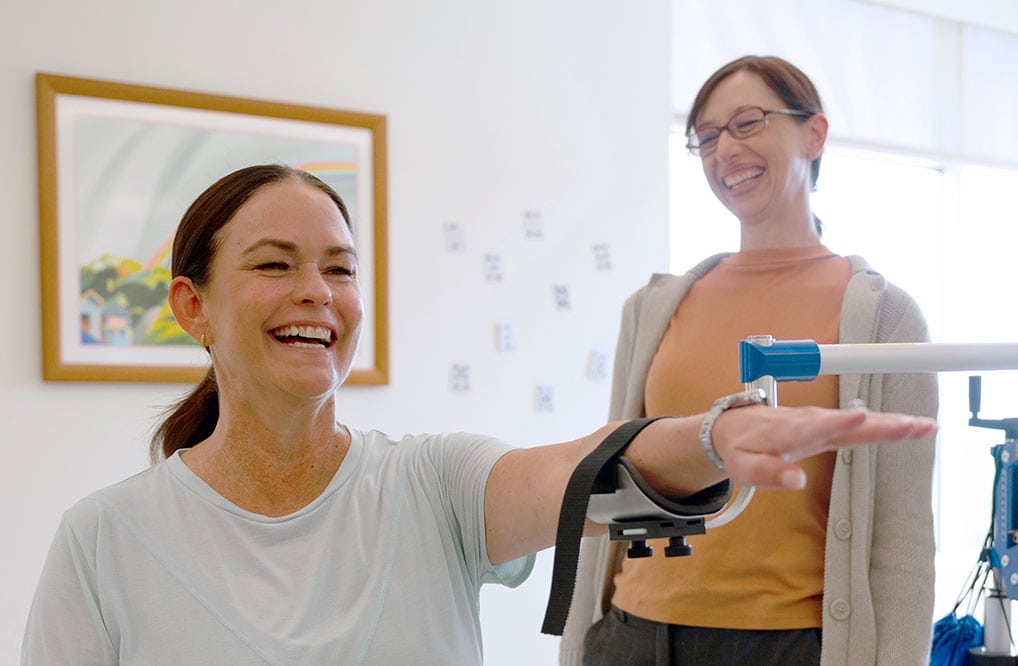
At CNS, we believe patients don’t plateau. With the right rehabilitation, clinical expertise and sufficient time, people with brain injury can continue to regain function and make progress. Recovery does not follow the same timeline for every person, and progress may take different forms as needs and abilities change.
Our bias for action is to Find a Way. This core belief reflects how we respond when progress is difficult or an obstacle emerges. We collaborate, adapt and explore different approaches rather than assuming a patient has reached the limit of what is possible.
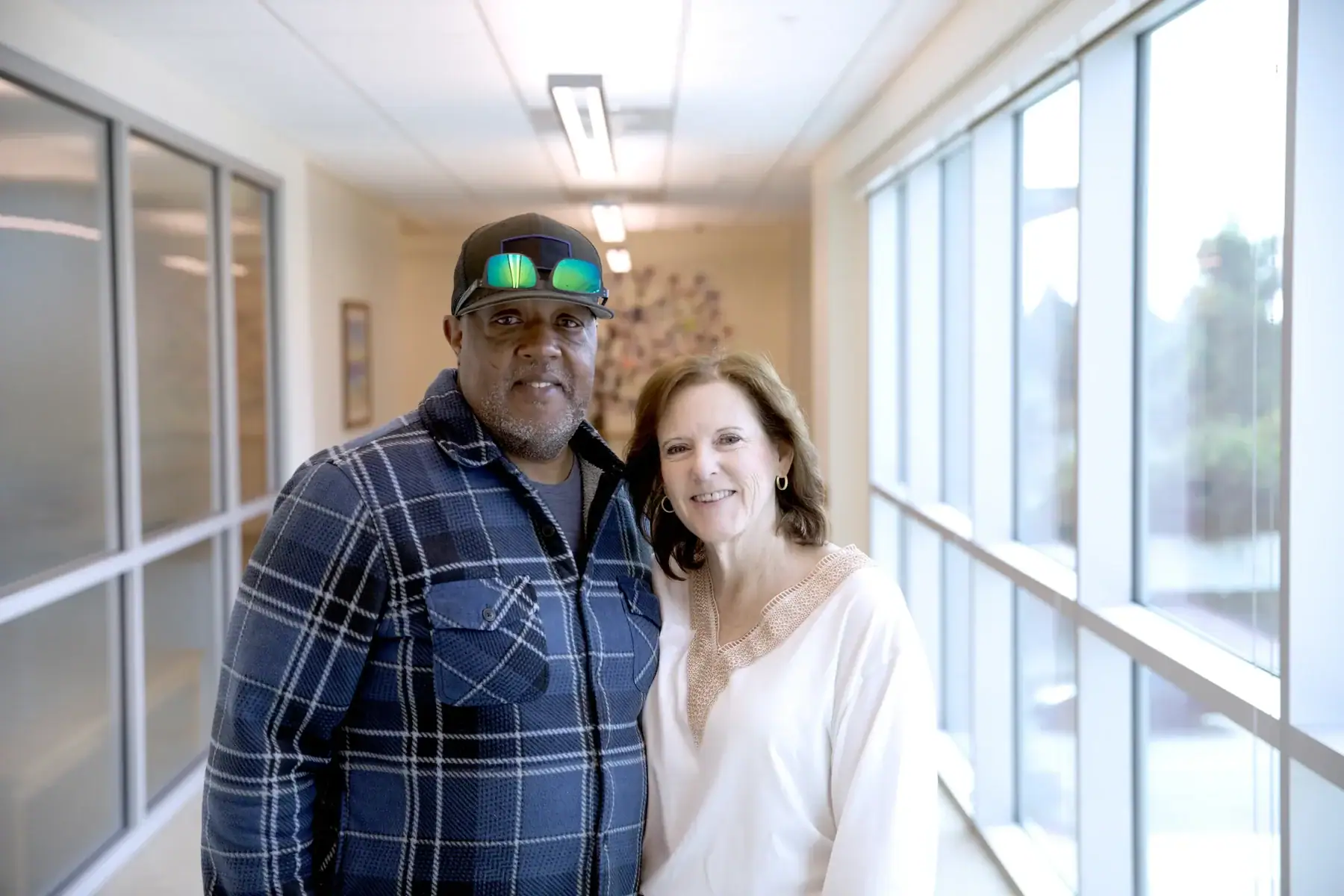
Brain injury can affect movement, cognition, communication, behavior, emotional regulation and the ability to manage everyday activities. Because every injury—and every person—is different, treatment should be too.
At CNS, comprehensive assessment guides an individualized treatment plan that addresses the whole person, bringing together the disciplines and clinical expertise each patient needs. Intensive, multidisciplinary therapies are coordinated around shared, functional goals and tailored to the individual. Wherever a person is in their recovery journey, the team adjusts treatment as needs and abilities change.
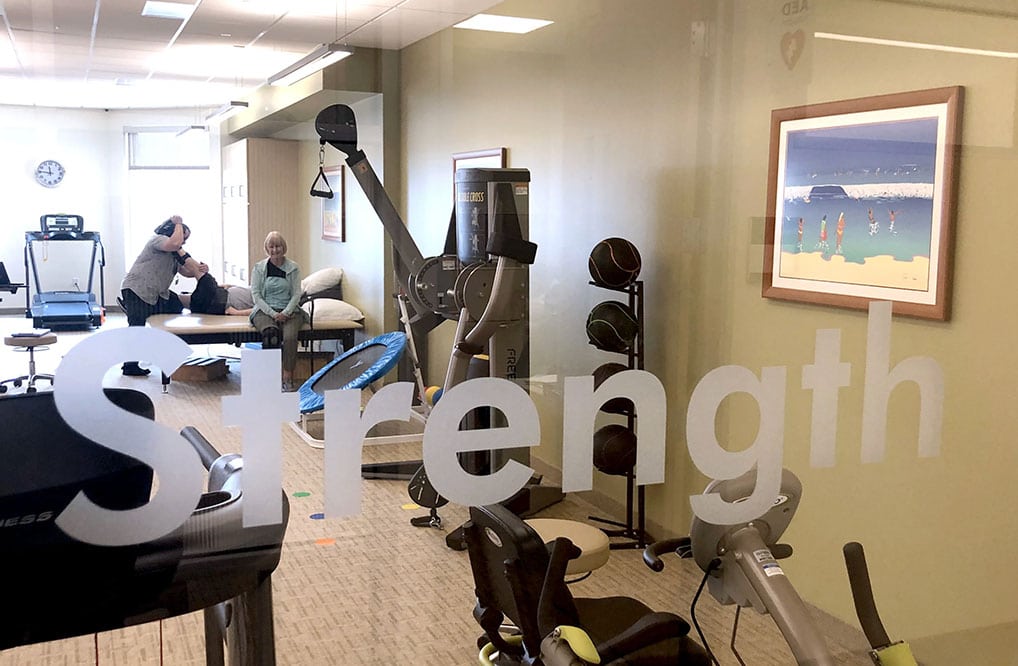
Progress in rehabilitation is about more than improvement on a clinical measure. What matters is how those gains affect a person’s ability to function more independently and participate in everyday life.
CNS tracks patient outcomes across important areas of function and quality of life, using that information to evaluate progress and help inform treatment. Tracking these outcomes helps us understand the broader impact of rehabilitation, including how greater independence can affect long-term care needs and costs.
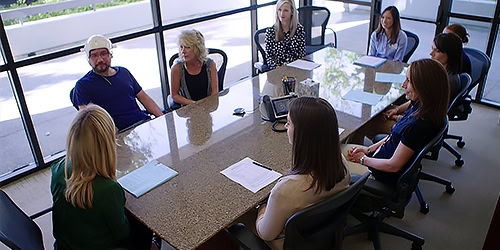
Choosing who to trust with the care of someone you love is an important decision. Families are often navigating unfamiliar treatment options, insurance questions and uncertainty about what comes next.
CNS helps patients and families understand their options, ask questions and make informed decisions about care. Families can also play an important role in treatment planning and preparing for transitions throughout recovery. We believe partnership means providing clear, honest information, listening to the people who know the patient best, and helping families understand what to consider when choosing a brain injury rehabilitation provider.


CNS Monthly Newsletter
The latest CNS updates, including events, company information, and patient care developments
The Inside View
Quarterly magazine focused on brain injury research, rehabilitation, and advancements shaping the field
Sign-up for one or both to stay connected with brain injury news and recover