The brain injury continuum of care describes the different types and levels of care that may support a person as they move through their recovery journey. Early treatment is often focused on medical stabilization and immediate health needs. As a person progresses, the focus may shift toward rehabilitation, rebuilding skills and increasing independence at home and in the community. The continuum illustrates how these stages of care can support changing needs over time. It is not a fixed path. Not every person will need every level of care, and the appropriate services, timing and length of treatment depend on the individual’s injury, abilities, needs and goals.
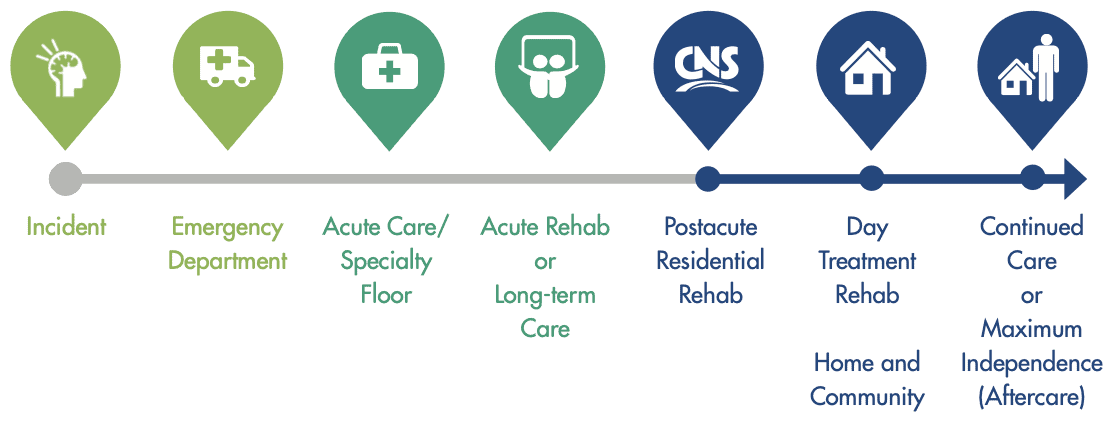
The continuum of care illustrates the progression from emergency medical treatment through rehabilitation,
community reintegration and continued care. Not every patient will require every level of care.
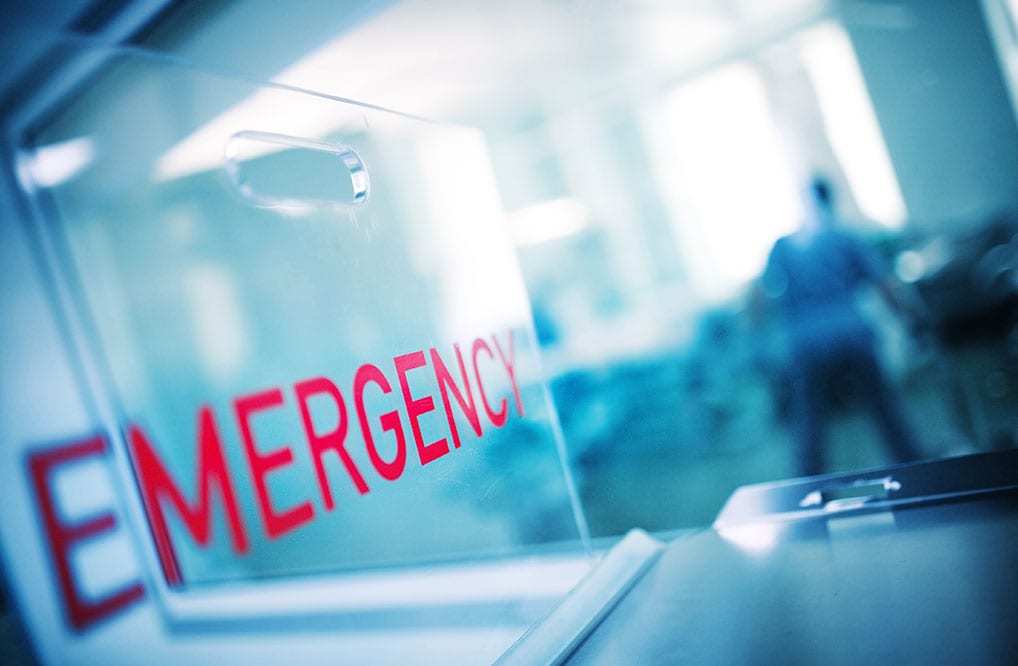
Immediately following a brain injury, care is focused on identifying and treating the injury, stabilizing the patient and managing urgent medical needs. This may begin in the emergency department and continue in an acute care hospital or specialty unit, depending on the severity of the injury and any related medical complications.
As the patient becomes medically stable, the care team begins to consider what level of rehabilitation, medical support or other services may be appropriate next.
Once a person is medically stable, acute rehabilitation may begin in a hospital or inpatient rehabilitation setting, combining intensive therapy with continued medical oversight during the earlier stages of recovery.
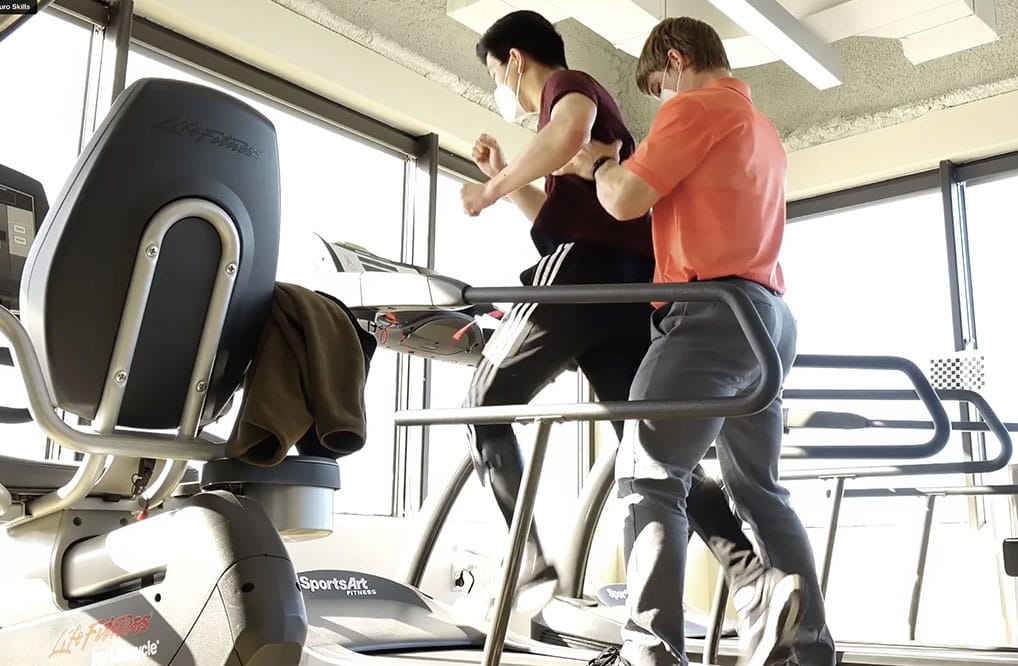
As the recovery journey continues, postacute rehabilitation focuses on patients who continue to need specialized treatment for physical, cognitive, behavioral or communication challenges. Treatment may address mobility, memory, problem-solving and activities of daily living (ADLs), such as dressing, eating and personal care, while helping patients build greater independence at home and in the community.
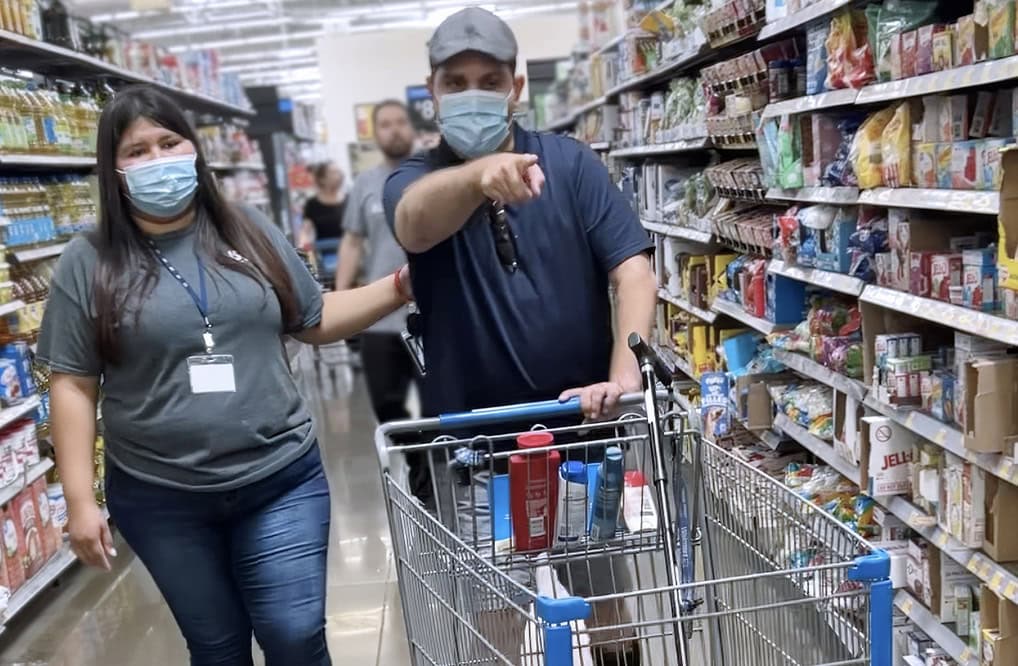
As patients gain greater independence, rehabilitation may continue while they live at home or in the community. Day treatment and other outpatient services can provide structured therapy while allowing patients to practice skills and strategies in the environments where they will use them.
At this stage, rehabilitation may increasingly focus on managing daily routines, navigating the community, building independence and returning to meaningful roles at home, work or school. Some patients may continue to benefit from rehabilitation or supportive services over time, while others transition toward maximum independence.
Medical stability is an important milestone after a brain injury, but it is only one part of recovery. A brain injury can affect physical abilities, cognition, communication, behavior and a person’s ability to function safely and independently in everyday life.
As immediate medical needs resolve, rehabilitation focuses on helping patients regain lost abilities, develop strategies for ongoing challenges and apply those skills in daily life. Treatment may address mobility, self-care, memory, communication, problem-solving, behavior and the ability to resume responsibilities at home and in the community.
CNS provides rehabilitation during the postacute and community-based stages of the continuum of care, with the goal of providing the right level of support at the right time. Patients may enter CNS at different points in their recovery based on their needs, abilities and goals.
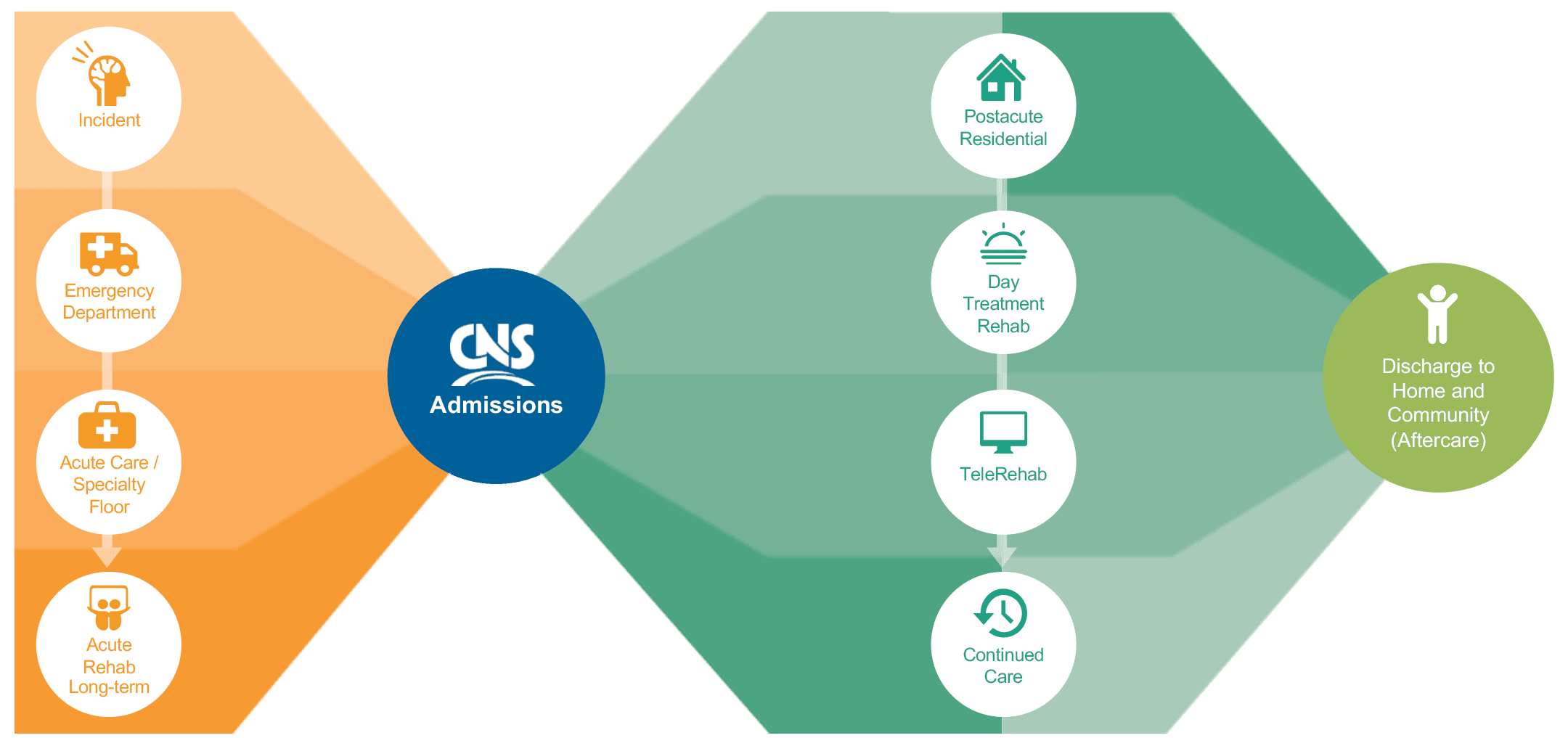
CNS evaluates patients at different stages of recovery to determine the most appropriate rehabilitation program.
Patients may enter different CNS programs based on their individual needs, without following a required sequence of treatment.
CNS programs include Residential Inpatient Rehabilitation, Day Treatment, Telerehabilitation and Continued Care. A patient may participate in one program or transition between levels of care as their needs change. There is no required sequence: patients can enter or exit the continuum at different stages, and the appropriate path is determined individually.
Across programs, rehabilitation is focused on helping patients build skills and apply them to everyday life at home and in the community.


CNS Monthly Newsletter
The latest CNS updates, including events, company information, and patient care developments
The Inside View
Quarterly magazine focused on brain injury research, rehabilitation, and advancements shaping the field
Sign-up for one or both to stay connected with brain injury news and recover